Acupuncture Helps Ease Side Effects and Symptoms of Some Cancers
Article from The Integrative Medicine Service At Memorial Sloan-Kettering Cancer Center
Saturday, May 1, 2010
Recent studies have shown that acupuncture can help control a number of symptoms and side effects — such as pain, fatigue, dry mouth, nausea, and vomiting — associated with a variety of cancers and their treatments. Experts from Memorial Sloan-Kettering Cancer Center’s Integrative Medicine Service, who have either conducted or reviewed many of those studies, recommend that cancer patients interested in acupuncture seek a certified or licensed acupuncturist who has training or past experience working with individuals with cancer.
Acupuncture
Acupuncture treatment, a two-thousand-year-old component of traditional Chinese medicine, involves stimulating one or more predetermined points on the body, called acupoints, with needles for therapeutic effect. Heat, pressure, or electricity may be added to intensify the effect of the acupuncture needles. According to traditional Chinese medicine beliefs, energy flows throughout the body along channels, or “meridians.” Specific acupoints are stimulated to increase energy flow along various channels throughout the body to a particular tissue, organ, or organ system.
Treatment is usually customized to treat each patient’s particular symptoms. A typical acupuncture session, which takes about 30 minutes, involves the insertion of ten to 20 very thin, stainless steel needles. Most patients receiving acupuncture experience no pain from the insertion of the needles, and there is minimal risk of injury from acupuncture treatments, with reports of fewer than one adverse event in more than 10,000 treatments.
According to the Centers for Disease Control and Prevention, each year more than eight million Americans use acupuncture to treat different ailments. Studies have demonstrated its effectiveness in the treatment of a host of non-cancer-related health issues, such as back pain, chronic headaches, osteoarthritis, high blood pressure, infertility, and hot flashes. Its use for the treatment of symptoms and side effects of a variety of cancers has recently been investigated in a number of studies and reviews.
Acupuncture for Head and Neck Cancer
For many of the more than 100,000 individuals diagnosed with head and neck cancer each year in the United States, the cancer spreads from its primary location to lymph nodes in the neck. When this occurs, nerves known as spinal accessory nerves must also be removed along with the affected lymph node, which can lead to shoulder function problems.
A recent study [PubMed Abstract] conducted by Memorial Sloan-Kettering investigators and published in the April 2010 issue of the Journal of Clinical Oncology sought to determine if acupuncture could reduce pain and dysfunction in individuals with cancer of the head or neck who had received a surgical dissection of lymph nodes in their neck. The study evaluated 58 patients who were suffering from chronic pain or dysfunction as a result of neck dissection. For four weeks, study participants were randomly assigned into one of two groups: those receiving weekly acupuncture sessions and those receiving standard care, which included physical therapy, as well as pain and antiinflammatory medication.
The study found that individuals in the group receiving acupuncture experienced significant reductions in pain and dysfunction when compared with individuals receiving standard care. Individuals in the acupuncture group also reported significant improvement in xerostomia, a condition in which patients receiving adjuvant radiation therapy experience extreme dry mouth.
Acupuncture and Leukemia
Many people with leukemia try additional treatments outside their standard care, hoping to manage symptoms and, in some cases, to improve their treatment outcome. In a commentary [PubMed Abstract] on the subject in the September 2009 issue of Expert Reviews Anticancer Therapies, Memorial Sloan-Kettering investigators examined the results from available studies testing the effectiveness of such approaches. They report that among the complementary therapies used to decrease symptoms and side effects, acupuncture is very beneficial for symptom management.
For some leukemia patients, cancer chemotherapy drugs can damage the peripheral nervous system (a condition known as peripheral neuropathy), causing pain, numbness, tingling, swelling, and muscle weakness in various parts of the body, especially in the hands and feet. In some cases, doctors must reduce the chemotherapy dose in order to prevent the neuropathy from progressing further. Acupuncture has been found to decrease these difficult neuropathy symptoms, allowing the maximum amount of chemotherapy to be used, thereby increasing the patient’s chance for a successful outcome.
Acupuncture is also known to reduce the effects of nausea caused by a variety of chemotherapy agents used to treat leukemia. Research has shown that timing the acupuncture sessions one to two days before chemotherapy infusion and continued weekly throughout the chemotherapy regimen produces the best results. In addition, the authors note that acupuncture has been proven safe for patients receiving the anticoagulation drugs Coumadin® or heparin during their leukemia treatment.
The review’s authors note that, in general, it is important to distinguish between complementary therapies — including acupuncture, self-hypnosis, yoga, meditation, and therapeutic massage — and alternative therapies, which are unproven and ineffective, and may interfere with mainstream cancer treatments.
Acupuncture and Breast Cancer
A significant number of breast cancers have receptors for the hormone estrogen. These receptor-positive breast tumors are more likely to respond to therapy with anti-estrogen medications, which take advantage of the cancer cells’ dependence on hormones for growth. Women with these tumors are often given treatment that blocks the production of estrogen, which is meant to slow the growth of the tumor. These treatments can induce early menopause, leading to symptoms such as hot flashes, fatigue, and excessive sweating. Because these women cannot receive hormone replacement therapy, which is usually used to treat such symptoms, doctors typically prescribe antidepressants such as the drug venlafaxine (Effexor).
A recent study examined whether acupuncture reduces some of these common side effects and produces fewer adverse effects than antidepressants. In the study [PubMed Abstract], published in the February 2010 issue of the Journal of Clinical Oncology, 50 women with hormone-receptor positive breast cancer were assigned into one of two groups. The first group received 12 weeks of acupuncture, and the second group received treatment with venlafaxine.
Both groups experienced significant decreases in hot flashes, depressive symptoms, and other quality-of-life symptoms. However, women in the group taking venlafaxine began to re-experience their symptoms about two weeks after stopping drug therapy. In comparison, it took 15 weeks for the symptoms to return for women in the group receiving acupuncture. In addition, women in the acupuncture group reported no significant side effects during treatment, while the group taking venlafaxine experienced 18 incidences of adverse effects, including nausea, dry mouth, dizziness, and anxiety.
Finding the Right Acupuncturist for Cancer Patients
The National Certification Commission for Acupuncture and Oriental Medicine (NCCAOM) provides a list of practitioners who are nationally certified in Oriental medicine, acupuncture, Chinese herbology, and Asian bodywork therapy. The Integrative Medicine Service at Memorial Sloan-Kettering Cancer Center has trained thousands of acupuncturists from across the United States and many other countries. Its previously face-to-face, three-day courses were replaced in April 2010 with Internet-based courses to facilitate international requests. The Integrative Medicine Service also maintains a list of cancer-trained acupuncturists. Our integrative medicine specialists stress the importance of using an acupuncturist who is NCCAOM certified or licensed and who has training in working with cancer patients.
Blue Valley Acupuncture Clinic is located in Dayton, Washington near Walla Walla, WA. and serves folks in Walla Walla, Dayton, Waitsburg, Pomeroy and surrounding towns.
Denise Lane is Nationally Board Certified and listed with NCCAOM.
Posted in Uncategorized | Comments Off on Acupuncture: Adjunct Therapy for Cancer Treatments in the Walla Walla and Dayton Wa. area.
Blue Valley Acupuncture Clinic serves the greater Walla Walla area, Dayton, Washington and surrounding towns of Waitsburg, Pomeroy and Starbuck.
Acupuncture Proven to have an Effect beyond Placebo, Harvard Study Concludes
Thursday, December 11, 2008 by: Dave Gabriele
Is acupuncture nothing more than a dressed-up placebo effect? Not according to arecent joint MIT-Harvard Medical School clinical study. The study, published in the November 2008 issue of the peer-reviewed science journal Behavioural Brain Research, utilized functional magnetic resonance imaging (fMRI) and positron emission tomography (PET) to examine the effects of acupuncture in relieving pain.
The effect of manual acupuncture in 12 healthy “acupuncture-naive” subjects (6 male, 6 female) was observed by monitoring fMRI of the brain and [11C]diprenorphine PET. [11C]Diprenorphine is used with PET to measure endogenous opioid release. Endogenous opioids have a morphine-like action in the body. Currently, “…there is strong evidence that acupuncture analgesia is mediated at least in part by opioid systems” (Dougherty, et. al. p.1).
The Study
The randomized study separated subjects into a real acupuncture group and a placebo acupuncture group. The placebo treatment used a validated sham acupuncture needle (Streitberger placebo) so that the sensation was as close to real acupuncture as possible. Using a placebo is generally believed to eliminate any psychological effects, such as expectation or belief, which may corrupt a study.
During the course of four sessions, the researchers induced pain in the subjects by using heat in varying degrees of intensity. The heat pain, which was issued to the right forearm of each subject, was administered before and after a 29-min treatment of either real or placebo acupuncture at acupoint Large Intestine 4 (LI-4).
The fMRI was used to indentify changes in neural activity by measuring blood flow in the brain. The [11C]diprenorphine PET scans looked for binding decreases which is associated with greater opioid release.
The Results
By comparing the two treatments, the study concluded that “… the reduction in pre- and post-treatment pain ratings was significantly greater in the acupuncture group when compared to the placebo group” (Dougherty, et. al. p.3).
“We found more brain changes during true acupuncture than during placebo acupuncture,” commented Darin D. Dougherty, MD, Associate Professor of Psychiatry at Harvard Medical School and Director of Neurotherapeutics at Massachusetts General Hospital. “fMRI showed changes in the orbitofrontal cortex, insula, and pons during true acupuncture when compared to placebo acupuncture.” The PET scans detected [11C]diprenorphine binding changes during real acupuncture that were very different than the binding changes that occurred during placebo treatment.
The right orbitofrontal cortex (OFC) was the only brain region that showed a common change in both types of scans. During real acupuncture, the right OFC demonstrated increased activity (as determined by fMRI) and increased opioid release (as determined by PET). There were no common fMRI and PET changes during placebo acupuncture
The data suggests that real acupuncture affects the brain differently than placebo acupuncture and is more effective than a placebo in reducing the experience of pain. When asked whether acupuncture is more than a placebo effect, Dr. Dougherty responded, “Yes, the study does show more changes in the brain during active acupuncture than during placebo acupuncture. Therefore, acupuncture certainly entails more than placebo effect.”
NCCAM
This study was funded by The National Center for Complementary and Alternative Medicine (NCCAM). The NCCAM is the American Government`s lead agency for scientific research on complementary and alternative medicine (CAM). It is one of 27 institutes and centers that make up the National Institutes of Health (NIH) within the U.S. Department of Health and Human Services.
New seasons are an opportunity to assess our states of health and realign with our natural rhythms.
From an acupuncture perspective, fall is about refinement. It’s time to pare down, to let go of the excesses we allowed ourselves in summer and focus on what’s necessary for winter.
In acupuncture theory, humans are viewed as microcosms of the natural world that surrounds them. Weather and climate, particularly during the transition from one season to another, factor significantly into acupuncture diagnoses and treatment plans.
The transition into fall is especially noteworthy because it signifies moving from the more active seasons to the more passive. This has significant implications for how we feel, and how we prevent and treat illness.
How to Stay Healthy This Fall
Each season is linked with a natural element, organ and emotion. The element, organ and emotion of fall are, respectively, Metal, Lung and grief. These three things usher us throughout the season, serving as barometers for where we’re at and offering insight on how to be better.
With Metal, Lung and grief as our guides, here are seven acupuncture tips for staying healthy this fall.
Make a list of your priorities
Fall is when we ought to embrace our Metal-esque qualities: strong, definitive, focused, discerning. It is time to get down to business, to gain clarity about what really matters to us.
As satisfying as this can be, it also can be overwhelming. If I hunker down at work, how will I make time for the kids? If I focus on cooking healthy meals and eating at home to save money, how will I socialize with friends?
Make a list of which priorities deserve your attention. Write them down and glance at the list periodically throughout the season.
Fall heightens our innate ability to get stuff done. Take advantage of it by reminding yourself where to focus.
Wear a scarf
Acupuncturists are always going on about wearing scarves. It’s for good reason.
Lung, the organ associated with fall, is considered the most exterior organ. It is the first line of defense against external pathogenic factors. As the weather turns cold and the wind picks up, the Lung organ is extra vulnerable.
Further, pathogenic factors such as cold and wind invade the body at the back of the neck, so keeping that area protected is very important in the fall. Even if it’s sunny, always bring a scarf when you head outside.
Do acupressure on Lung 7
One of the best points for strengthening the Lung organ is Lung 7. It helps promote the descending function of the Lungs, which makes it a great point for cough, shortness of breath and nasal congestion.
Lung 7 also is one of the most effective points for neck pain and stiffness. As mentioned above, wearing a scarf helps, but for protecting yourself against any residual wind and the resulting head and neck tension, Lung 7 will come in handy.
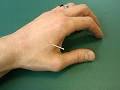
Lung 7 is easy to access yourself. Make a thumbs-up sign. When you do that, you’ll see a depression at the base of your thumb (referred to as the anatomical snuffbox). From that depression, Lung 7 is located approximately two finger widths up your arm(see picture at right).
Stay hydrated
Dryness of all kinds is common in fall. Since Lung is the most exterior organ, it is the organ that relates most closely to the skin. Dry skin and even rashes tend to show up in fall. Drink a lot of water and keep your skin hydrated with non-alcoholic (alcohol will dry you out more) moisturizer.
Another reason to stay hydrated is to regulate digestion. The Lung’s paired organ is Large Intestine, so sometimes digestive issues can flare up this time of year. Constipation, due to the dryness of the season, is most common, especially in people who struggle with the “letting go” aspect of transitioning into fall.
Use a neti pot
As fall encourages us to let go of the inessential priorities in our lives, many of us also find ourselves letting go from our nasal passages. Bring on the tissues! Fall is the most common time of year for the onset of nasal infections and post-nasal drip, both of which plague many people well into winter. Keep a neti pot in the shower and use it regularly throughout the season to help keep your nasal passages clear.
Reframe grief
The emotion associated with fall is grief. This is the time of year to pull inward, to grieve letting go and to reflect on any unresolved sadness. This can be an adjustment after the surge of energy and mood that many of us experience during summer, but it is normal to feel somewhat somber and pensive in the fall.
The inability to settle into this emotional shift, or transition out of it, may suggest an imbalance. However, before labeling yourself with seasonal affective disorder, or SAD—a common biomedical diagnosis for people who feel depressed in the colder, darker months—consider that you may be experiencing a natural heightened awareness of grief. If you sense it might be more than that, by all means, see your doctor.
Eat warm foods
Step away from the salad! The cool, raw, refreshing salads of summer will not do you any favors come fall. Just as we need to start keeping our bodies warmer on the outside, we need to stay warm on the inside as well.
In fall, eat warm, cooked food. Instead of cold cereal with milk, choose oatmeal. Trade the salads for oven-roasted veggies over brown rice. When cooking, throw in some onions, ginger, garlic or mustard—these pungent foods are known to benefit the Lung organ.
Veggie wise, root vegetables such as beets, turnips, carrots, parsnips, sweet potatoes, pumpkin and squash are ideal. If you go for out-of-season vegetables, make sure they are cooked. If you’re craving fruit, reach for something seasonal such as apples, pears, grapes, figs or persimmons.
Department of Obstetrics and Gynecology, Osaka Medical College Takatsuki, Osaka 569-8686, Japan. gyn003@poh.osaka-med.ac.jp
Abstract
We investigated the association between blood flow in the extremities and hot flashes, and compared change in blood flow following hormone replacement therapy (HRT) and Gui-zhi-fu-ling-wan (Keishi-bukuryo-gan), a herbal therapy in post-menopausal women with hot flashes. Three hundred and fifty-two post-menopausal women aged 46-58 years (mean: 53.4 +/- 3.6 years) with climacteric complaints participated in the study. One hundred and thirty-one patients with hot flashes were treated with HRT (64 cases) or herbal therapy (67 cases). Blood flow was measured with laser doppler fluxmetry under the jaw, in the middle finger and in the third toe. Post-menopausal women with hot flashes (129 cases) showed significantly higher blood flow under the jaw (13.6 +/- 4.13) than women without hot flashes (166 cases) (5.48 +/- 0.84) (p < 0.0001). Blood flow at this site decreased significantly with either therapy (p < 0.0001). On the other hand, the administration of Gui-zhi-fu-lingwan significantly increased (p = 0.002) the blood flow in the lower extremities, whereas HRT decreased the blood flow. Thus, we have demonstrated that Gui-zhi-fu-ling-wan did not affect the activity of vasodilator neuropeptides on sensory neurons of systemic peripheral vessels uniformly. Therefore, Gui-zhi-fu-ling-wan, rather than HRT, is suggested as an appropriate therapy for treatment of hot flashes in the face and upper body with concomitant coldness in the lower body, which is one of the symptoms of menopause.
PMID: 15974485 [PubMed – indexed for MEDLINE]
BLUE VALLEY ACUPUNCTURE CLINIC PROVIDES WOMEN’S HEALTH ALTERNATIVES TO WALLA WALLA AREA, DAYTON AND NEARBY TOWNS OF WAITSBURG, POMEROY AND STARBUCK.
Posted in Uncategorized | Comments Off on Chinese Herbal Formula V. HRT Study
A recent publication in the prestigious Journal of Gastroenterology and Hepatology cites the effectiveness of acupuncture for the treatment of gastroesophageal reflux disease (GERD). Acupuncture was shown to be more effective in reducing regurgitation and heartburn than doubling medication Acupuncture & GERDlevels for patients suffering from cases of refractory GERD. Dr. Ronnie Fass, MD of the University of Arizona in Tuscon reported that refractory GERD affects up to approximately one-third of patients who take PPIs (proton pump inhibitors). PPIs are pharmaceuticals that inhibit gastric acid production and include brand names such as Prilosec, Lomac, Prevacid, Nexium, andProtonix. Regarding the acupuncture research cited in the publication, Dr. Fass notes that, “This is the first study to suggest that alternative approaches for treating visceral pain may have a role in GERD patients with persistent heartburn despite PPI therapy.” Dr. Fass reported that for the approximately one-third of patients taking PPIs who continue to suffer from GERD, “When compared to doubling the PPI dose (standard of care), adding acupuncture was significantly better in controlling regurgitation and daytime as well as night-time heartburn.”
Reference: Fass, R. (2012), Therapeutic options for refractory gastroesophageal reflux disease. Journal of Gastroenterology and Hepatology, 27: 3–7. doi: 10.1111/j.1440-1746.2012.07064.x
Posted in Uncategorized | Comments Off on GERD and Acupuncture
New research concludes that acupuncture combined with moxibustion successfully alleviates herpes zoster neuralgia, nerve pain due to shingles. A total Acupuncture for Shinglesof 37 cases were divided into two groups. Group 1, the medication group of 19 cases, received ibuprofen, vitamin B1 and vitamin E. Group 2, the treatment group of 18 cases, received acupuncture and herbal moxa roll heat stimulation. The herbal moxa roll consisted of corydalis tuber (Yan Hu Suo), astragali radix (Huang Qi), myrrh (Mo Yao) and other related herbal ingredients. Moxibustion was applied once a day for 7 days to Jiaji (EX-B-2) and Ahshi acupuncture points until local skin flushing was obtained. Acupuncture was applied to the same acupoints, Ahshi and Jiaji points, at a rate of once per day for 7 days. Acupuncture technique was applied using electroacupuncture at 100 Hz for 10 minutes followed by 2 Hz stimulation for an additional 30 minutes.
Following the 7 day session, one patient in the medication group was diagnosed as cured while 5 patients in the acupuncture combined with moxibustion group were diagnosed as cured. Significant improvement was diagnosed in 13 patients in the medication group and 12 patients in the acupuncture combined with moxibustion group. No progress was reported in 5 patients in the medication group while only one patient in the acupuncture-moxibustion group did not respond to therapy. The researchers discovered that the therapeutic effect achieved in the acupuncture with moxibustion group “was significantly superior to that of the medication group.” The researchers concluded that electroacupuncture with moxibustion “is effective in relieving neuralgia in HZ (herpes zoster) patients.” Reference: Zhen Ci Yan Jiu. 2012 Feb;37(1):64-6. Analysis on therapeutic effect of variable-frequency electroacupuncture combined with herbal-moxa moxibustion for post-zoster neuralgia. Wang CY, Fang JQ. The Third Affiliated Hospital of Zhejiang University of Chinese Medicine, Hangzhou. China.
Posted in Uncategorized | Comments Off on Blog-Acupuncture and Shingles
For people living with Parkinson’s disease, the future is full of obstacles and uncertainty.
This is the sole reason the second most prevalent neuro-degenerative disease that affects about 1 million people in the U.S., and 5 million worldwide has researchers constantly on the hunt for not only a cure, but also a way to improve the quality of life for patients.
By the year 2013, a current research study involving acupuncture is hoping to find answers for Parkinson’s disease patients living with one of the most debilitating side effects – fatigue.
The research study funded by the Michael J. Fox Foundation for Parkinson’s Research is currently determining whether alternative Eastern medicine, specifically acupuncture, can help alleviate symptoms of severe fatigue in those living with Parkinson’s.
The foundation, which was established in 2000 by actor Michael J. Fox, is the largest funder of Parkinson’s research in the world. The organization has funded over $270 million in targeted Parkinson’s research to date including the latest study on acupuncture.
Dr. Benzi Kluger, assistant professor of neurology and psychiatry at the University of Colorado Hospital has been leading the study, which began in November 2010. The study is being conducted as a double-blind study to find whether acupuncture has a significant effect on Parkinson’s patients living with fatigue in their daily lives.
“Western medicine does not have good treatment for fatigue,” said Kluger. “Fatigue for patients with Parkinson’s is really different, it doesn’t improve with rest and is very disabling.”
Fatigue affects approximately half of all Parkinson’s disease patients. Many of them do not get relief from medication and research has now focused on ancient Eastern medicine such as acupuncture to find answers, said Kluger.
“We wanted to see if we can come up with alternative strategies that can also later help people with other neurological disorders in the future,” said Kluger.
Kluger approached the Parkinson’s foundation with his study because he said he was interested in non-motor systems in Parkinson’s patients. Non-motor symptoms are the most common symptoms that develop first in patients and one of them is fatigue.
Jamie Eberling, associate director of research programs at the Michael J. Fox Foundation for Parkinson’s Research said Kluger’s study was chosen based on its merits and because it was something of interest to their donor base.
“We are always interested in different types of approaches,” said Eberling. “We are always open to new things, we wish we could see more of these types of studies being presented.”
The foundation in the past has funded studies on exercise and even singing for speech problems as well as dancing for motor impairment in Parkinson’s disease patients. They review 800 grant proposals a year and are currently supporting more than 300 research projects in industry, academia and government.
Kluger’s acupuncture study has a total of 22 patients participating right now. The goal is to have 90-100 patients by the study’s end date in 2013.
Patients who joined the study initially came in for a screening visit and filled out a questionnaire about fatigue and their beliefs about acupuncture and alternative medicine. Once people were screened into the study, they were randomized with twice weekly sham or real acupuncture.
Patients in the study are blindfolded while they are receiving acupuncture treatment and Kluger said he doesn’t know which patients are receiving acupuncture treatment and which patients are receiving placebo.
Three acupuncturists have been working on the study subjects placing needles in acupuncture points on the patient’s face and back. For patients who are in the placebo group, the acupuncturists may place non-penetrating needles in spots that aren’t typical acupuncture spots.
Kluger said in the spring, his team is going to try to shell out a paper on the sham acupuncture after spending a lot of time learning how to remove the sham needles to create a really good placebo procedure.
So far, Kluger said he has seen dramatic improvement in fatigue in some of the study subjects. “People have gone back to doing activities that they haven’t done in years,” he said. Since the statistical data is not yet completed, Kluger said he wouldn’t know which group has benefitted the most.
Kluger noted that a large majority of Parkinson’s disease patients already use a form of alternative medicine – acupuncture, massage, herbs and chiropractic care, but until now, there weren’t many evidence-based studies to determine whether acupuncture is effective for symptoms such as fatigue.
The neuro-degenerative disease affects between 1 percent and 2 percent of people over the age of 65. Those diagnosed with the disease will lose neurons in specific parts of the brain, affecting muscle movement and control over time.
Kluger said if he finds that acupuncture can be used as an alternative form of medicine to alleviate the symptoms of severe fatigue, it might help insurance companies extend their coverage of the treatment.
“We will also be able to see if acupuncture would be effective for people with other diseases like cancer and MS (Multiple Sclerosis),” Kluger said.
Focusing most of his medical career in Western medicine, Kluger said he has really enjoyed doing research on Eastern medicine and finding out about the potential it has to heal people.
“For me it has been a wonderful opportunity to work with acupuncturists to really start to delve into acupuncture. One of my goals is to come out of it with an open mind,” he said. “It’s been really fun to explore alternative ways to help these patients. We are hopeful.”
If you would like to know more about the study contact etta.abaca@ucdenver.edu or call 303-724-2193.
Posted in Research Articles | Comments Off on Acupuncture Study Brings Hope For Parkinson’s Disease Patients
Traditional Chinese Herbs May Benefit People With Asthma
Asthma affects millions of adults and children in the United States. Its increasing prevalence, the absence of curative treatments, and concerns about side effects from long-term use of asthma drugs have prompted interest in complementary and alternative therapies such as traditional Chinese medicine (TCM) herbs.
In a recent article, NCCAM-supported scientists from the Mount Sinai School of Medicine reviewed research evidence on TCM herbs for asthma, focusing on studies reported since 2005:
Preliminary clinical trials of formulas containing Radix glycyrrhizae in combination with various other TCM herbs have had positive results. One study compared an herbal formula called ASHMI (antiasthma herbal medicine intervention) with the drug prednisone in adults; three others looked at herbal formulas as complementary therapies in children. All of the trials reported improvement in lung function with the herbal formulas and found them to be safe and well tolerated. Most of the trials showed significant improvements in asthma symptom scores, although one did not.
A 3-year followup of 14 patients with asthma taking an extract of Sophora flavescens Ait (a component of ASHMI) reported positive clinical results and no side effects.
Laboratory findings on TCM herbal remedies suggest several possible mechanisms of action against asthma, including an anti-inflammatory effect, inhibition of smooth-muscle contraction in the airway, and modulation of immune system responses.
The authors noted that clinical trials are under way for ASHMI. They also summarize research on a TCM formula being developed to combat peanut allergy.
CNS Spectr. 2007;12(10):739-7 Faculty Affiliation and DisclosuresDr. Stahl is adjunct professor of psychiatry in the Department of Psychiatry at the University of California-San Diego in La Jolla.Disclosures: Dr. Stahl receives grant/research support from AstraZeneca, Biovail, Bristol-Myers Squibb, Cephalon, Cyberonics, Eli Lilly, Forest, GlaxoSmithKline, Janssen, Neurocrine Bioscience, Organon, Pfizer, Sepracor, Shire, Somaxon, and Wyeth; is a consultant to Acadia, Amylin, Asahi, AstraZeneca, Biolaunch, Biovail, Boehringer-Ingelheim, Bristol-Myers Squibb, Cephalon, CSC Pharma, Cyberonics, Cypress Bioscience, Eli Lilly, Epix, Fabre Kramer, Forest, GlaxoSmithKline, Jazz, Neurocrine Bioscience, Neuromolecular, Neuronetics, Nova Del Pharma, Novartis, Organon, Otsuka, PamLab, Pfizer, Pierre Fabre, Sanofi Synthelabo, Schering Plough, Sepracor, Shire, Solvay, Somaxon, Takeda, Tetragenix, and Wyeth; and is on the speaker’s bureau of Pfizer.Email Dr. Stahl: vj@mblcommunications.com.
Activated Folate-MTHF from Thorne Research Available
Denise Lane-Acupuncturist
New Trend in Psychopharmacology
Folate deficiency may increase the risk of depression and reduce the action of antidepressants. Individuals with an inherited polymorphism that reduces the efficiency of folate formation may be at high risk for folate deficiency and for major depression. Antidepressant effects have been reported when antidepressants are augmented with folic acid, folinic acid, or the centrally active L-methylfolate (known formally as (6(S)-5-methyltetrahydrofolate [MTHF]), particularly in depressed patients with folate deficiency whose major depressive episodes have failed to respond to antidepressants. The putative mechanism of action of MTHF as an augmenting agent to antidepressants is that it acts as a trimonoamine modulator (TMM), enhancing the synthesis of the three monoamines: dopamine (DA), norepinephrine (NE), and serotonin (5-HT), resulting in a boost to the efficacy of antidepressants.
Folate and Depression
A substantial body of literature suggests that depression is associated with folate deficiency,1-31 and that patients with folate deficiency either experience a later onset of action,2,19 lesser improvement,4,8,9,13 a more severe depressive episode,8,19-21 or higher chances of relapse14 when taking antidepressants. The link between folate and depression is supported by observations that a common genetic variant of an enzyme that reduces one’s ability to convert folate to its centrally active metabolite, MTHF, specifically, the C677T variant of the enzyme methylene tetrahydrofolate reductase, is more common in patients with depression.15,26-28 In this article and in the figures, the centrally active metabolite of folate will be referred to either as L-methylfolate or as MTHF.
Bliss
The formation of MTHF from foods containing dihydrofolate or enriched with synthetic folic acid is shown in Figure 1. The enzyme methylene tetrahydrofolate reductase forms this centrally active metabolite, MTHF, in the final step of this process (Figure 1). The link between folate and depression is also supported by numerous studies suggesting that folic acid,16,17 folinic acid,31 or MTHF18,32-35 either have antidepressant action or enhance the therapeutic benefits of antidepressants or lithium.
How Does L-methylfolate Act as an Antidepressant?
Antidepressants boost the actions of one or more of the three monoamines: DA, NE, and/or 5-HT. MTHF acts as an important regulator of a critical co-factor for trimonoamine neurotransmitter synthesis. This co-factor is known as tetrahydrobiopterin (BH4) (Figure 2A).36-48 By boosting trimonoamine neurotransmitter synthesis via enhancement of BH4, MTHF presumably is able to augment the antidepressant actions of known antidepressants.
Because BH4 is a critical enzyme co-factor, there are several mechanisms that lead to its formation (Figure 2B).36-48 BH4 can be formed from de novo synthesis, from guanosine triphosphate, or recycled via the enzyme dihydropteridine reductase (Figure 2B).38,39,44 BH4 formation that is linked to folate metabolism includes recycling either from the actions of methylene tetrahydrofolate reductase (mentioned above)44,45 or from the actions of dihydrofolate reductase (Figure 2B).37,43
The trimonoamine synthetic enzymes that require BH4 as a co-factor are tryptophan hydroxylase, the rate-limiting enzyme for 5-HT synthesis and tyrosine hydroxylase, the rate-limiting enzyme for DA and NE synthesis (Figure 3).36,39,42 MTHF is thus considered to be a TMM due to its role as an indirect regulator of trimonoamine neurotransmitter synthesis and monoamine concentrations.48
As previously mentioned, numerous studies suggest that low plasma, red blood cell, and/or cerebrospinal fluid levels of MTHF folate precursors (Figure 1) may be associated with depression in some patients (Figure 4A).1-30 Since MTHF indirectly regulates monoamine levels (Figures 2 and 3),36-48 low central nervous system levels of MTHF could lead to reduced activity of trimonoaminergic neurotransmitter-synthesizing enzymes, causing monoamine deficiency (Figure 4A), consistent with the monoamine hypothesis of depression.46-48
Studies16-35 have now shown that administration of folate, MTHF, or another folate derivative known as folinic acid (Leucovorin), can augment the therapeutic efficacy of antidepressants in patients with major depressive disorder who fail to respond adequately to their antidepressant, and who may or may not have measurable folate deficiency. Current research thus suggests that MTHF may be indicated for depressed patients with low plasma, red blood cell, and/or cerebrospinal fluid folate levels, and who have not responded adequately to antidepressants (Figure 4B).16-35 Theoretically, many patients with inadequate responses to a monoamine-enhancing antidepressant, even if there is no folate deficiency, could benefit from MTHF treatment that elevates their BH4 levels (Figure 1), if it led to enhancement of their trimonoamine neurotransmitter synthesis (Figure 3; also compare Figures 4A and 4B).36-48
Why L-methylfolate Rather Than Folic Acid for Depression?
Folate is one of the 13 essential vitamins. Dihydrofolate, a mixture of polyglutamates (ie, a number of glutamatic acid entities) is the form of folate obtained from dietary intake of green vegetables, yeast, liver, kidney, and egg yolk. Folic acid is the synthetic form of folate contained in over-the-counter vitamin supplements (usually mixed with several other vitamins and nutrients and present in low doses). Folic acid is also the synthetic form of folate contained in prescriptions written by a licensed practitioner in higher doses for medical use.
Dihydrofolate and folic acid are converted to monoglutamate entites by the enzyme alpha-L-glutamyl transferase in the intestinal wall as they are absorbed.47 Once absorbed, monoglutamate entities are converted to MTHF, the form of folate that passes into the brain and is utilized by trimonoamine neurons to facilitate neurotransmitter synthesis (Figures 1 and 4B). Normally, ingesting folate from dihydrofolate in the diet or from folic acid in synthetic supplements will result in adequate delivery of MTHF levels to the brain, especially in those individuals with the more efficient genotype (C677C) producing up to 100% of the enzyme methylene tetrahydrofolate reductase and who do not have depression.
However, robust levels of MTHF in the brain, which may be necessary to maximize the chances of boosting trimonoamine neurotransmitter synthesis (Figures 2–4), are more likely attained after administration of MTHF rather than folic acid (Figure 4B). Thus, administration of MTHF may have significant advantages over administration of folic acid as a TMM to augment antidepressants in depressed patients who do not respond adequately to their antidepressant treatment. Such patients may or may not be folate deficient, may or may not have the inefficient form of the genotype (C677T, T677T) producing 35% to 71% of the MTHF enzyme, and may or may not be taking various anticonvulsant mood stabilizers that interfere with folic acid absorption or MTHF formation, such as lamotrigine, carbamazepine, and others (Figure 4B). Further research is needed to identify those depressed patients most likely to respond to MTHF augmentation, including studies of both unipolar and bipolar depression.
In terms of what is known about treatment with folic acid versus MTHF, it may take as much as 7 mg of oral folic acid to generate the same plasma levels of MTHF as giving 1 mg of oral MTHF.49 How much folic acid is this? The recommended daily allowance of folic acid from food or dietary supplements is 0.4 mg (0.8 mg for pregnant women); over-the-counter multivitamin supplements typically provide between 0.25 and 1 mg of folic acid; normal “prescription strength” folic acid is 1 mg pure folic acid; high-dose prescription folic acid for treating pregnant women to reduce the risk of neural tube defects is between 4 mg and 5 mg. By comparison, the lowest dose of MTHF studied in depression to augment antidepressant treatment is 7.5 mg, roughly equivalent to 52 mg of folic acid.32 Although high doses of folic acid can be administered orally, the precursors of MTHF may compete with MTHF for entry into brain by binding to folate transport receptors, limiting the amount of MTHF that can enter the brain (Figure 4B).50-52 Thus, high doses of MTHF are likely to provide substantially more active MTHF moiety to the brain than high doses of folic acid. The exact dose of MTHF to treat depression is not fully determined, but since MTHF works indirectly to boost monoamine synthesis, high doses are likely to be necessary to optimize this action.
Additionally, high doses of MTHF may be more appropriate than high doses of folic acid because MTHF is less likely to mask a vitamin B12 deficiency.53-55 That is, when folic acid is administered, it can be metabolized and utilized for DNA biosynthesis even in vitamin B12 deficient cells, thus masking the anemia from a vitamin B12 deficiency. B12 deficiency decreases the methyl donor S-adenosyl-methionine (SAMe), which activates the enzyme MTHF reductase and this traps MTHF away from DNA synthesis, making it unlikely that the administration of MTHF will mask an anemia.53-56
What is a Medical Food?
MTHF is marketed in the United States as a “medical food” also called Deplin, which contains 7.5 mg L-methylfolate and is available by prescription only. According to the Food and Drug Administration, a medical food is different both from a drug and from a food, and is defined as a food that is formulated to be consumed orally
“…under the supervision of a physician and which is intended for the specific dietary management of a disease or condition for which distinctive nutritional requirements, based on recognized scientific principles, are established by medical evaluation.”57
Medical foods are required when dietary management cannot achieve the specific nutrient requirements. Treatment with MTHF seems to be safe, apparently has few if any side effects, and is generally less expensive than augmenting with a second antidepressant. Further research is necessary to determine the exact priority this approach should be given in treatment algorithms for major depression.
S-adenosyl-methionine, L-methylfolate, and Methylation
MTHF may have additional actions on monoamine neurotransmitter metabolism through another mechanism, namely, its well-known ability to regulate methylation reactions (Figure 5).37 Another agent possibly useful for augmenting antidepressants in patients with inadequate responses is SAMe, which shares with MTHF the ability to regulate methylation (Figure 5).58,59 Both MTHF and SAMe may therefore impact the regulation of various critical components of monoamine neurotransmitter activity not only by indirect modulation of neurotransmitter synthesis by promoting the synthesis of BH4 enzymatic cofactor, but also by modulating catabolic enzymes, monoamine transporters, and neurotransmitter receptors via methylation and its downstream effects (Figure 5).60-65 These complex mechanisms are under active investigation to determine how the natural products and putative TMMs, MTHF and SAMe, may contribute to the treatment of depression.
Conclusion
L-methylfolate, also known as MTHF (methyltetrahydrofolate), acts as a trimonoamine modulator to boost the synthesis of the three monoamines: DA, NE, and 5-HT. This action may provide antidepressant efficacy when L-methylfolate is given as an augmenting agent to depressed patients unresponsive to traditional antidepressants. L-methylfolate may be especially useful in depressed patients who have the genotype coding for an enzyme that causes inefficient synthesis of L-methylfolate, and for those individuals who are folate deficient, including patients whose folate deficiency is secondary to the administration of various anticonvulsant mood stabilizers.
References
1. Coppen A, Bolander-Gouaille C. Treatment of depression: time to consider folic acid and vitamin B12. J Psychopharmacol. 2005;19:59-65. 2. Papakostas GI, Petersen T, Lebowitz BD, et al. The relationship between serum folate, vitamin B12, and homocysteine levels in major depressive disorder and the timing of improvement with fluoxetine. Int J Neuropsychopharmacol. 2005;8:523-528. 3. Tolmunen T, Voutilainen S, Hintikka J, et al. Dietary folate and depressive symptoms are associated in middle-aged Finnish men. J Nutr. 2003;133:3233-3236. 4. Alpert M, Silva RR, Pouget ER. Prediction of treatment response in geriatric depression from baseline folate level: interaction with an SSRI or a tricyclic antidepressant. J Clin Psychopharmacol. 2003;23:309-313. 5. Morris MS, Fava M, Jacques PF, Selhub J, Rosenberg IH. Depression and folate status in the US Population. Psychother Psychosom. 2003;72:80-87. 6. Bottiglieri T, Laundy M, Crellin R, Toone BK, Carney MW, Reynolds EH. Homocysteine, folate, methylation, and monoamine metabolism in depression. J Neurol Neurosurg Psychiatry. 2000;69:228-232. 7. Alpert JE, Fava M. Nutrition and depression: the role of folate. Nutr Rev. 1997;55:145-149. 8. Fava M, Borus JS, Alpert JE, Nierenberg AA, Rosenbaum JF, Bottiglieri T. Folate, vitamin B12, and homocysteine in major depressive disorder. Am J Psychiatry. 1997;154:426-428. 9. Wesson VA, Levitt JA, Joffe RT. Change in folate status with antidepressant treatment. Psychiatry Res. 1994;53:313-322. 10. Coppen A, Swade C, Jones SA, Armstrong RA, Blair JA, Leeming RJ. Depression and tetrahydrobiopterin: the folate connection. J Affect Disord. 1989;16:103-107. 11. Abou-Saleh MT, Coppen A. Serum and red blood cell folate in depression. Acta Psychiatr Scand. 1989;80:78-82. 12. Abou-Saleh MT, Coppen A. The biology of folate in depression: implications for nutritional hypotheses of the psychoses. J Psychiatr Res. 1986;20:91-101. 13. Papakostas GI, Petersen T, Mischoulon D, et al. Serum folate, vitamin B12, and homocysteine in major depressive disorder, Part 1: predictors of clinical response in fluoxetine-resistant depression. J Clin Psychiatry. 2004;65:1090-1095. 14. Papakostas GI, Petersen T, Mischoulon D, et al. Serum folate, vitamin B12, and homocysteine in major depressive disorder, Part 2: predictors of relapse during the continuation phase of pharmacotherapy. J Clin Psychiatry. 2004;65:1096-1098. 15. Gilbody S, Lewis S, Lightfoot T. Methylene tetrahydro folate reductase (MTHFR) genetic polymorphisms and psychiatric disorders: a HuGE review. Am J Epidemiol. 2006;165:1-13. 16. Coppen A, Bailey J. Enhancement of the antidepressant action of fluoxetine by folic acid: a randomised, placebo controlled trial. J Affect Disord. 2000;60:121-130. 17. Coppen A, Chaudhry C, Swade C. Folic acid enhances lithium prophylaxis. J Affect Disord. 1986;10:9-13. 18. Passeri M, Cucinotta D, Abate G, et al. Oral 5’-methyltetrahydrofolic acid in senile organic mental disorders with depression: results of a double-blind multicenter study. Aging (Milano). 1993;5:63-71. 19. Carney MW, Chary TK, Laundy M. Red cell folate concentrations in psychiatric patients. J Affect Disord. 1990;19:207-213. 20. Reynolds EH, Preece JM, Bailey J, Coppen A. Folate deficiency in depressive illness. Br J Psychiatry. 1970;117:287-292. 21. Lerner V, Kanevsky M, Dwolatzky T, Rouach T, Kamin R, Miodownik C. Vitamin B12 and folate serum levels in newly admitted psychiatric patients. Clin Nutr. 2006;25:60-67. 22. Sachdev PS, Parslow RA, Lux O, et al. Relationship of homocysteine, folic acid and vitamin B12 with depression in a middle-aged community sample. Psychol Med. 2005;35:529-538. 23. Levitt AJ, Joffe RT. Folate, B12, and life course of depressive illness. Biol Psychiatry. 1989;25:867-872. 24. Wesson VA, Levitt AJ, Joffe RT. Change in folate status with antidepressant treatment. Psychiatry Res. 1994;53:313-322. 25. Wilkinson A, Anderson D, Abou-Saleh M, et al. 5-Methyltetrahydrofolate level in the serum of depressed subjects and its relationship to the outcome of ECT. J Affect Disord. 1994;32:163-168. 26. Kelly CB, McDonnell AP, Johnston TG, et al. The MTHFR C677T polymorphism is associated with depressive episodes in patients from Northern Ireland. J Psychopharmacol. 2004;18:567-571. 27. Lewis SJ, Lawlor DA, Davey Smith G, et al. The thermolabile variant of MTHFR is associated with depression in the British Women’s Heart and Health Study and a meta-analysis. Mol Psychiatry. 2006;11:352-360. 28. Arinami T, Yamada N, Yamakawa-Kobayashi K, et al. Methylenetetrahydrofolate reductase variant and schizophrenia/depression. Am J Med Genet. 1997;74:526-528. 29. Gilbody S, Lightfoot T, Shelton T. Is low folate a risk factor for depression? A meta-analysis and exploration of heterogeneity. J Epidemiol Community Health. 2007;61:631-637. 30. Blair JA, Barford PA, Morar C, et al. Tetrahydrobiopterin metabolism in depression. Lancet. 1984;2:163. 31. Alpert JE, Mischoulon D, Rubenstein GE, Bottonari K, Nierenberg AA, Fava M. Folinic acid (Leucovorin) as an adjunctive treatment for SSRI-refractory depression. Ann Clin Psychiatry. 2002;14:33-38. 32. Guaraldi GP, Fava M, Mazzi F, la Greca P. An open trial of methyltetrahydrofolate in elderly depressed patients. Ann Clin Psychiatry. 1993;5:101-105. 33. Godfrey PS, Toone BK, Carney MW, et al. Enhancement of recovery from psychiatric illness by methylfolate. Lancet. 1990;336:392-395. 34. Reynolds EH, Crellin R, Bottiglieri T, Laundy M, Toone BK, Carney M. Methylfolate as monotherapy in depression: a pilot randomized controlled trial. Abstract presented at: the Annual Meeting of the Royal College of Psychiatrists. July 24-27, 1992; Edinburgh, UK. 35. Di Palma C, Urani R, Agricola R, Giorgetti V, Dalla Verde G. Is Methylfolate effective in relieving major depression in chronic alcoholics? A hypothesis of treatment. Curr Ther Res. 1994;55:559-568. 36. Meller E, Friedhoff AJ. 5-methyltetrahydrofolate and metabolism of biogenic amines; In: Botez MI, Reynolds EH, eds. Folic Acid in Neurology, Psychiatry and Internal Medicine. New York, NY: Raven Press; 1979:157-164. 37. Bottiglieri T, Hyland K, Laundry M, et al. Folate deficiency, biopterin and monoamine metabolism in depression. Psychol Med. 1992;22:871-876. 38. Ponzone A, Spada M, Ferraris S, Dianzani I, deSanctis L. Dihydropteridine reductase deficiency in man: from biology to treatment. Med Res Rev. 2004;24:127-150. 39. Goldstein DS, Hahn S-H, Holmes C, et al. Monoaminergic effects of folinic acid, l-dopa and 5-hydroxytryptophan in dihydropteridine reductase deficiency. J Neurochem. 1995;64:2810-2813. 40. Lucock MD, Green M, Levene MI. Methylfolate modulates potassium evoked neuro-secretion: evidence for a role at the pteridine cofactor level of tyrosine 3-hydroxylase. Neurochem Res. 1995;20:727-736. 41. Niederwieser A. Inborn errors of Pterin metabolism. In: Botez MI, Reynolds EH, eds. Folic Acid in Neurology, Psychiatry and Internal Medicine. New York, NY: Raven Press; 1979:349-384. 42. Turner AJ. The relationship between brain folate and monoamine metabolism. In: Botez MI, Reynolds EH, eds. Folic Acid in Neurology, Psychiatry and Internal Medicine. New York, NY: Raven Press; 1979:165-177. 43. Hamon CGB, Blair JA, Barford PA. The effect of tetrahydrofolate on tetrahydrobipterin metabolism. J Ment Defic Res. 1986;30:179-183. 44. Matthews RG, Kaufman S. Characterization of the dihydropterin reductase activity of pig liver methylenetetrahydrofolate reductase. J Biol Chem. 1980;255:6014-6017. 45. Vanoni MA, Ballou DP, Matthews RG. Methylenetetrahydrofolate reductase. Steady state and rapid reaction studies on the NADPH-methylenetetrahydrofolate, NADPH-menadione, and methyltetrahydrofolate-menadione oxidoreductase activities of the enzyme. J Biol Chem. 1983;258:11510-11514. 46. Farrar G, Blair JA. Pterins in depression: a modified monoamine hypothesis. In: Copeland JR, Abou-Saleh MT, Blazer DG, eds. Principles and Practice of Geriatric Psychiatry. Hoboken, NJ: John Wiley and Sons; 1994:543-546. 47. Paul RT, McDonnell AP, Kelly CB. Folic acid: neurochemistry, metabolism and relationship to depression. Hum Psychopharmacol. 2004;19:477-488. 48. Stahl SM. Essential Psychopharmacology. 3rd ed. New York, NY: Cambridge University Press; In press. 49. Willems FF, Boers GH, Blom HJ, Aengevaeren WR, Verheugt FW. Pharmacokinetic study on the utilisation of 5-methyltetrahydrofolate and folic acid in patients with coronary artery disease. Br J Pharmacol. 2004;141:825-830. 50. Smith I, Hyland K, Kendall B. Clinical role of pteridine therapy in tetrahydrobiopterin deficiency. J Inherit Metab Dis. 1985;8(suppl 1):39-45. 51. Wu D, Pardridge WM. Blood-brain barrier transport of reduced folic acid. Pharm Res.1999;16:415-419. 52. Spector R, Lorenzo AV. Folate transport in the central nervous system. Am J Physiol. 1975;229:777-782. 53. Scott JM, Weir DG. The methyl folate trap. A physiological response in man to prevent methyl group deficiency in kwashiorkor (methionine deficiency) and an explanation for folic-acid induced exacerbation of subacute combined degeneration in pernicious anaemia. Lancet. 1981;2:337-340. 54. Kelly P, McPartlin J, Goggins M, Weir D, Scott JM. Unmetabolized folic acid in serum: acute studies in subjects consuming fortified food and supplements. Am J Clin Nutr. 1997;65:1790-1795. 55. Morris MS, Jacques PF, Rosenberg IH, Selhub J. Folate and vitamin B-12 status in relation to anemia, macrocytosis, and cognitive impairment in older Americans in the age of folic acid fortification. Am J Clin Nutr. 2007;85:193-200. 56. Akoglu B, Schrott M, Bolouri H, et al. The folic acid metabolite L-5-methyltetrahydrofolate effectively reduces total serum homocysteine level in orthotopic liver transplant recipients: a double-blind placebo-controlled study. Eur J Clin Nutr. In press. 57. Food and Drug Administration/Center for Food Safety and Applied Nutrition. Food Safety and Applied Nutrition, Medical Foods. Available at: http://www.cfsan.fda.gov/~dms/medfguid.html. Accessed September 13, 2007. 58. Mischoulon D, Fava M. Role of S-adenosyl-L-methionine in the treatment of depression: a review of the evidence. Am J Clin Nutr. 2002;76(suppl):1158S-1161S. 59. Bottiglieri T. S-Adenosl-L-methionine (SAMe): from the bench to the bedside – molecular basis of a pleiotrophic molecule. Am J Clin Nutr. 2002;76(suppl):1151S-1157S. 60. Vafai SB, Stock JB. Protein phosphatase 2A methylation: a link between elevated plasma homocysteine and Alzheimer’s disease. FEBS Lett. 2002;518:1-4. 61. Mann SP, Hill MW. Activation and inactivation of striatal tyrosine hydroxylase: the effects of pH, ATP, cyclic AMP, S-adenosylmethionine and S-adenosylhomocysteine. Biochem Pharmacol. 1983;32:3369-3374. 62. Curcio M, Catto E, Stramentinoli G, Algeri S. Effect of S-adenosyl-l-methionine on serotonin metabolism in rat brain. Prog Neuropsychopharmacol. 1978;2:65-71. 63. Ruck A, Kramer S, Metz J, Brennan MJ. Methyltetrahydrofolate is a potent and selective agonist for kainic acid receptors. Nature. 1980;287:852-853. 64. Bauman AL, Apparsundaram S, Ramamoorthy S, Wadzinski BE, Vaughan RA, Blakely RD. Cocaine and antidepressant-sensitive biogenic amine transporters exist in regulated complexes with protein phosphatase 2A. J Neurosci. 2000;20:7571-7578. 65. Ramamoorthy S, Gioivanetti E, Qian Y, Blakely RD. Phosphorylation and regulation of antidepressant-sensitive serotonin transporters. J
Novel Therapeutics for Depression: L-methylfolate as a Trimonoamine Modulator and Antidepressant-Augmenting Agent Inflammation, Glutamate, and Glia in Depression: A Literature Review Beyond the Dopamine Hypothesis to the NMDA Glutamate Receptor Hypofunction Hypothesis of Schizophrenia Bipolar Depression: Best Practices for the Outpatient
1010 S. 3rd St. (Dayton General Hospital)
Dayton, WA 99328
509-382-3202
Physical Therapy Dept.
Clinic Hours:
Tuesday-Thursday
11am - 5pm
Saturday
12pm - 5pm
Sign up to receive news and updates and get my free report:
“The Top 10 Reasons to Try Acupuncture”
Follow Us!
Testimonials
I had a great first visit today. Excellent service, I feel less stressed, and pain lightened up. Looking forward to my next visit.
J.V., Dayton, WA.
Two years ago I took a tumble off a horse and landed on my back.
For the first week after the accident, I could not walk upright and my entire back was in pain due to injury and sore muscles. Spasms and shooting pain would hit me any time of the day or night. Ice, heat and pain relievers were not improving my situation at all.
I finally sought treatment from Denise. For a week she did acupuncture,... Read more »
Some could call me a bit of a skeptic and acupuncture was at the top of my list – enter Denise!
I have become so dis-enchanted with traditional methods to my issues and the time I’ve spent with Denise has rocked my world!!! Acupuncture is helping me cope with my stress, the pain in my knee is subsiding and my lifelong abdominal issues are getting some much needed attention.
One appointment with Denise and I feel like... Read more »
I’ve had acupuncture from a number of therapists over the years and Denise ranks as one of the best. She has treated me for headaches, neck pain and constipation. All my symptoms have shown great improvement! I can’t recommend her highly enough.
G.R.; Pomeroy, WA.
I’ve known Denise for a few years now and have received acupuncture treatment from her for lower back pain and stress. It gave me instant relief. Denise is great at what she does and has been a wonderful resource for me to have.
G.W.H., Portland, Or.
I went to get acupuncture from Denise Lane for two problems, gout and stress. I am doing well enough that I have not had to return for follow up treatments for three months. She is very caring and straight forward.
–G., Waitsburg, Wa.
Latest Articles:
• Outdoor Activities Best Enjoyed During Spring •
• The Health Benefits of Spring Cleaning •
• Delicious Recipes Using Spring Fruits and Vegetables •